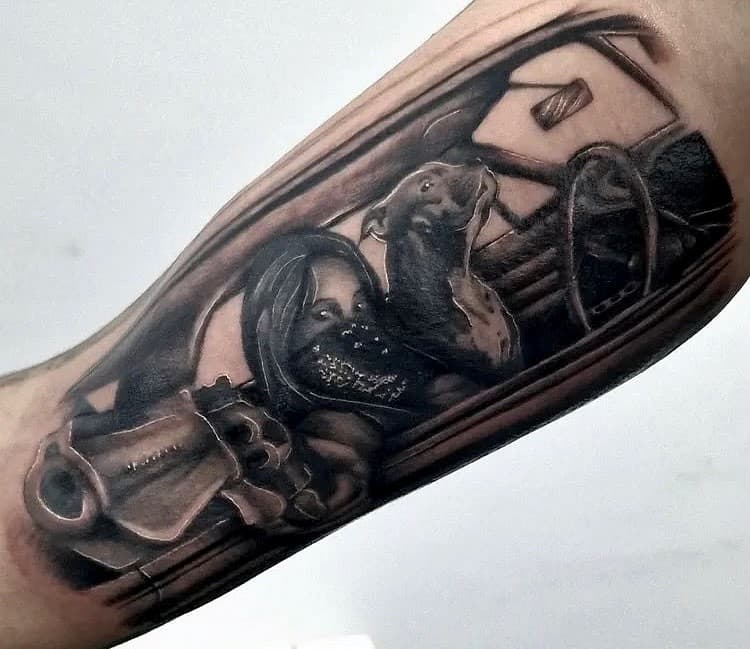
Realism
Realism aims to recreate a photograph directly on skin — portraits, animals, objects rendered with the depth, shading and texture of a real image. It demands patience and precision, building tone by tone until the piece reads less like a tattoo and more like a photograph under glass.
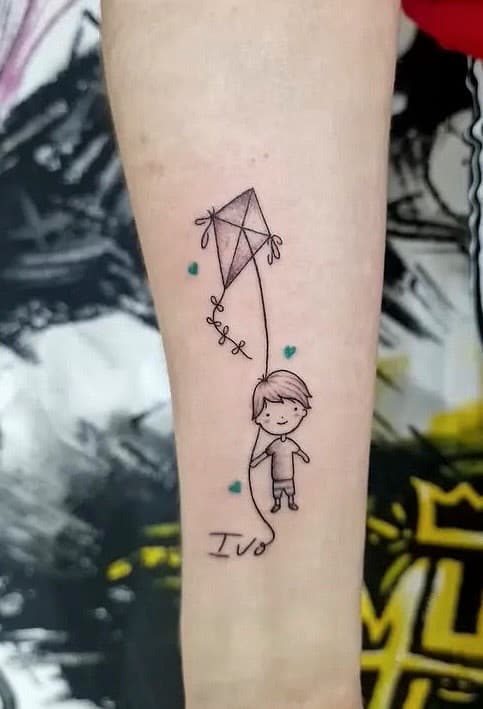
Fine line
Fine line work trades bold strokes for a single, delicate needle pass — florals, lettering, small portraits drawn with the lightness of a pencil sketch. It's quiet and detailed, often disappearing into the skin rather than announcing itself.
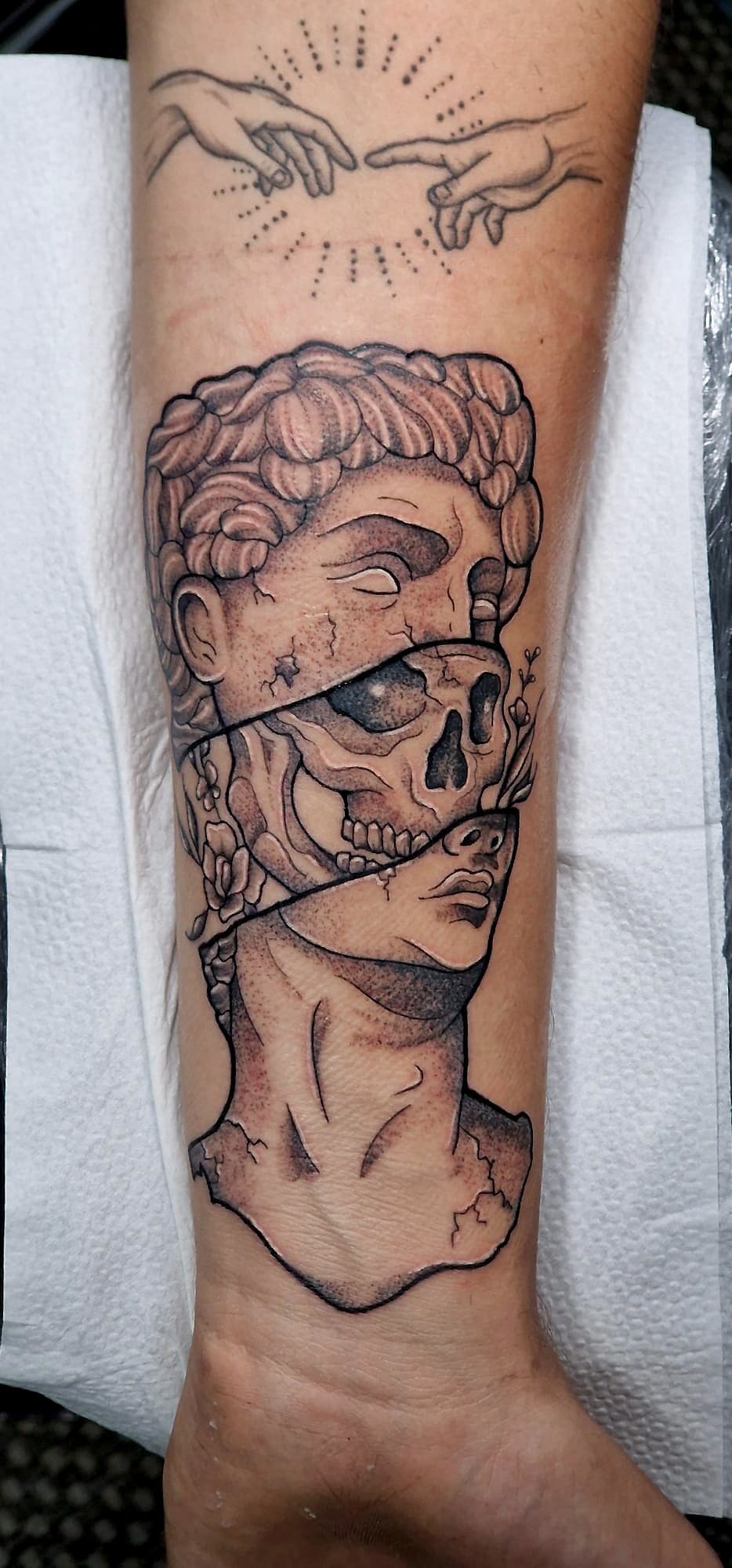
Blackwork
Black work leans entirely on black ink — heavy linework, deep shading and bold contrast, with no colour to soften it. The result feels graphic and permanent, closer to engraving than illustration.
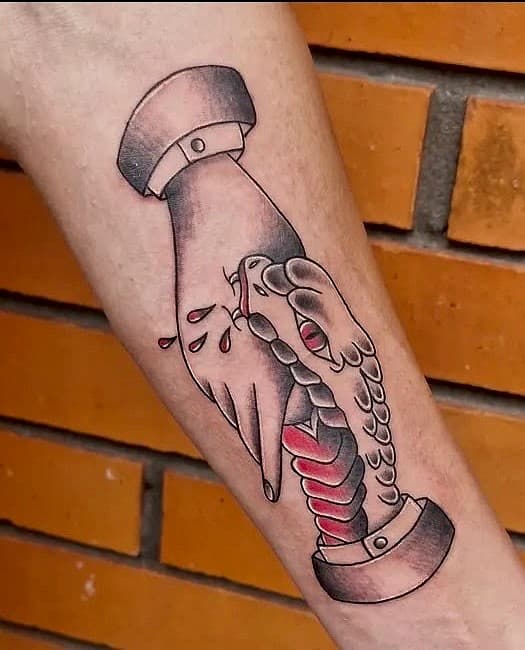
Old school
Old school, or traditional, tattooing keeps the bold lines, limited palette and iconic imagery — daggers, roses, skulls — that defined the craft for a century. Simple, legible, built to age well.
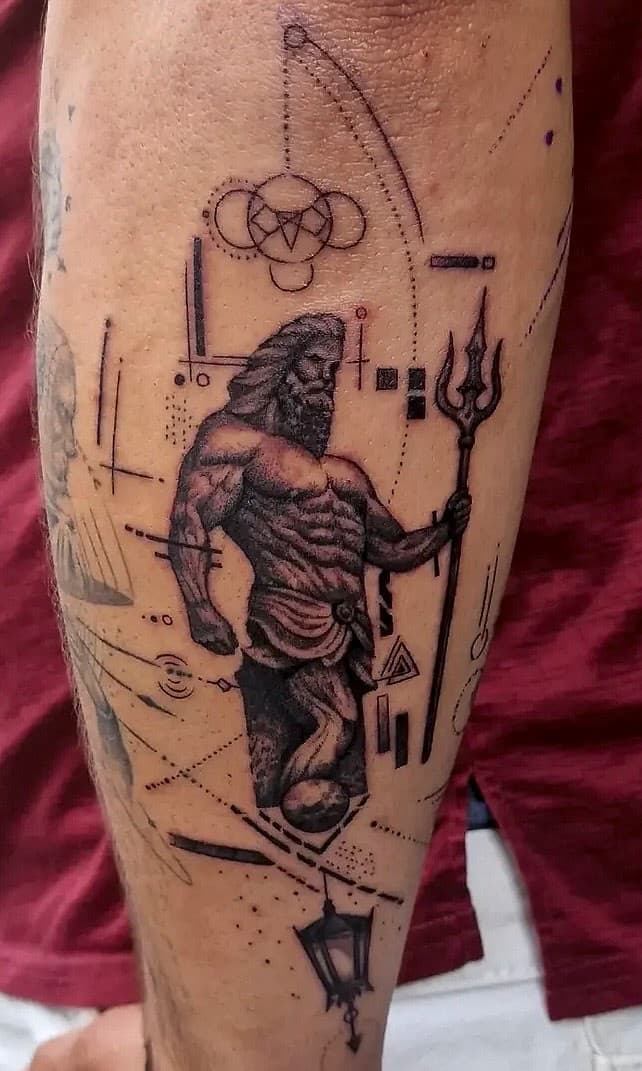
Micro-realism
Micro-realism compresses everything realism stands for into a small scale — fine detail, real depth, real shading, just sized down. It rewards a closer look.
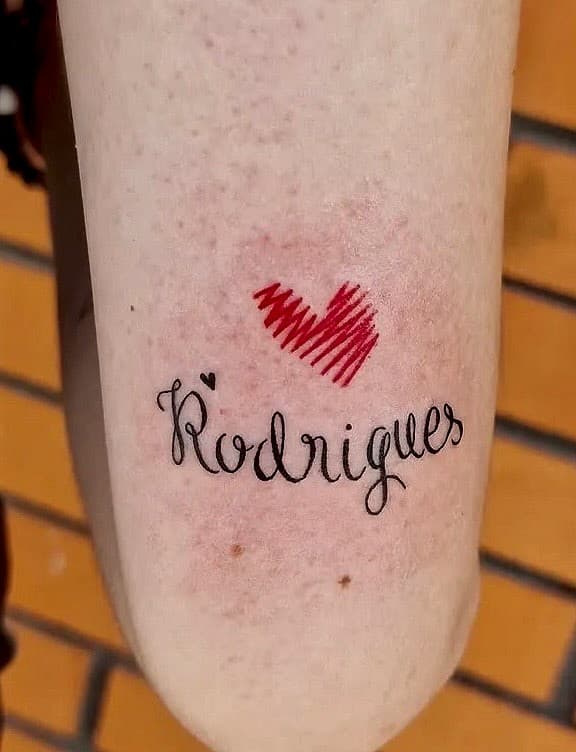
Lettering
Lettering turns words into the artwork itself — names, dates, phrases rendered in a script or typeface chosen to carry as much weight as the words.